12 Questions to Ask Window Installers
Published Last revised
Quick answer
Ask every installer the same 12 questions, covering the company, the specification, the guarantee and the timing. The most important are whether they are FENSA or CERTASS registered, exactly what glass and frames they are quoting, whether the guarantee is insurance-backed, and how your deposit is protected. Write the answers down so you can compare firms afterwards.
These are the 12 questions to ask window installers at the survey visit, your best chance to judge a firm on more than its price. The answers tell you how a firm works, what’s really included, and whether you’ll be looked after if something goes wrong. Put them to every window fitter before hiring anyone, and compare the answers.
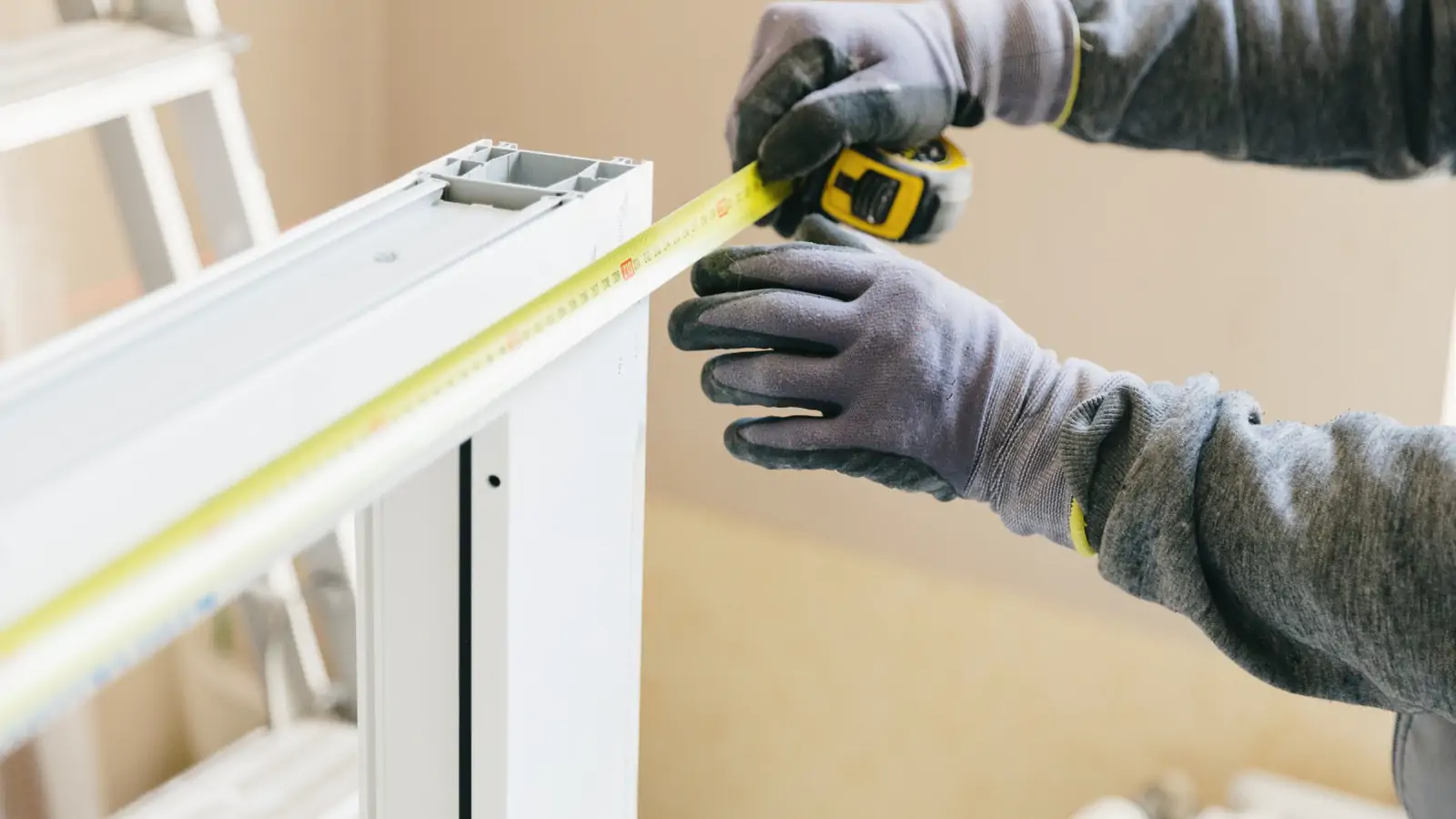
About the Company
- How long have you been trading, and do you use your own fitters or subcontractors?Which? suggests favouring firms that have been around for ten years or more, and checking Companies House to see whether a firm has changed its name or been wound up before. On subcontractors, the firm you sign with stays responsible for their work under the Consumer Rights Act. A good answer gives a clear number of years and tells you who will be in your home.
- Are you registered with FENSA or CERTASS, and will I get a certificate?FENSA’s own advice is blunt: if they say no, you should say no. Each is a competent person scheme, which means a registered firm can sign off replacement window and door work itself. The certificate proves the work met building regulations and you will need it when you sell. Don’t rely on the answer alone. You can check a firm on the FENSA website by postcode or exact company name.
- Can you point me to genuine reviews or recent local jobs?Citizens Advice recommends asking for two or three recent examples of similar work and speaking to those customers yourself, because written references aren’t always genuine. A reputable installer will be happy to show off their work.
These establish whether you’re dealing with an established local firm or a sales operation that passes the work on.

About the Specification
- What exact glass and frame profile are you quoting, and what’s the U‑value?You want two figures: the energy efficiency rating, which runs from A++ (best) to E, and the U‑value, where lower is better. Which? notes a window can score well on one and poorly on the other. A good answer names the actual product and says whether the frames are uPVC, aluminium, timber or composite, not just “A‑rated windows”.
- How many of the windows open, and are trickle vents included?Since June 2022, most replacement windows in England have needed trickle vents, and Building Control guidance says you can’t sign a form to opt out. A good answer is “yes, and they are in the price”. A quote without them may look cheaper but may not meet the rules.
- Does the price include making good, waste removal and any scaffolding?Citizens Advice says a proper quote is a fixed total price with a breakdown, and should say whether VAT is included. GOV.UK confirms double glazing carries the full 20% VAT, so a “plus VAT” price will rise by a fifth.
The answers let you check that every quote describes the same job before you compare totals.
These questions to ask window installers work best across a few quotes. Request free, no-obligation ones to compare.
Get my free quotes →About the Guarantee and Protection
- How long is the guarantee, exactly what does it cover, and is it insurance‑backed?As a yardstick, installers endorsed by Which? suggest about ten years on frames, five to ten on glass and at least two on handles and locks. FENSA says an insurance‑backed guarantee has been required on its registered installations since 2014. It comes from an insurance broker, so ask for the insurer’s name and a copy of the policy.
- How is my deposit protected?An insurance‑backed guarantee does not cover your deposit. Deposit protection is a separate policy, so ask to see the certificate. Citizens Advice says not to agree to a deposit of more than 25%, and paying any part by credit card gives you extra protection on jobs between £100 and £30,000.
- What happens if a problem appears a year or two after fitting?By law the work must be done with reasonable care and skill, and if it isn’t, the installer has to repair or replace it. Ask which complaints body they belong to. Which? lists the Glass and Glazing Federation, FENSA, DGCOS and the Glazing Arbitration Scheme. A firm that belongs to none leaves you with fewer options.
A confident, specific answer here is reassuring; a vague one is a reason to look closer.

About the Process and Timing
- When would the survey and installation happen, and how many days on site?FENSA recommends a written contract with an agreed completion date, and lists firms that won’t commit to dates, or that can start straight away, among its warning signs. A good answer gives real dates and puts them in writing.
- Will the same installation team do the whole job?Whoever turns up, ask to see the firm’s public liability insurance before work starts. Which? and Citizens Advice both recommend it, and Citizens Advice adds that you should check the policy doesn’t run out before the job is finished.
- What’s the payment schedule, and is there a cooling‑off period?Which? says the final payment shouldn’t be due until the work is complete, and the schedule should be written into the contract. On cancelling, don’t assume. Made‑to‑measure windows are usually exempt from the normal 14‑day cooling‑off period, so ask exactly what cancellation terms the contract gives you. Some installers will offer a cancellation period of their own, so get it in writing.
Read the Answers, Not Just the Words
The best questions to ask window installers are only half of it: how they respond matters as much as what they say. Straight, unhurried answers and a willingness to put everything in writing are good signs. Evasiveness, pressure to sign, or reluctance to name the actual products are your cue to be cautious.
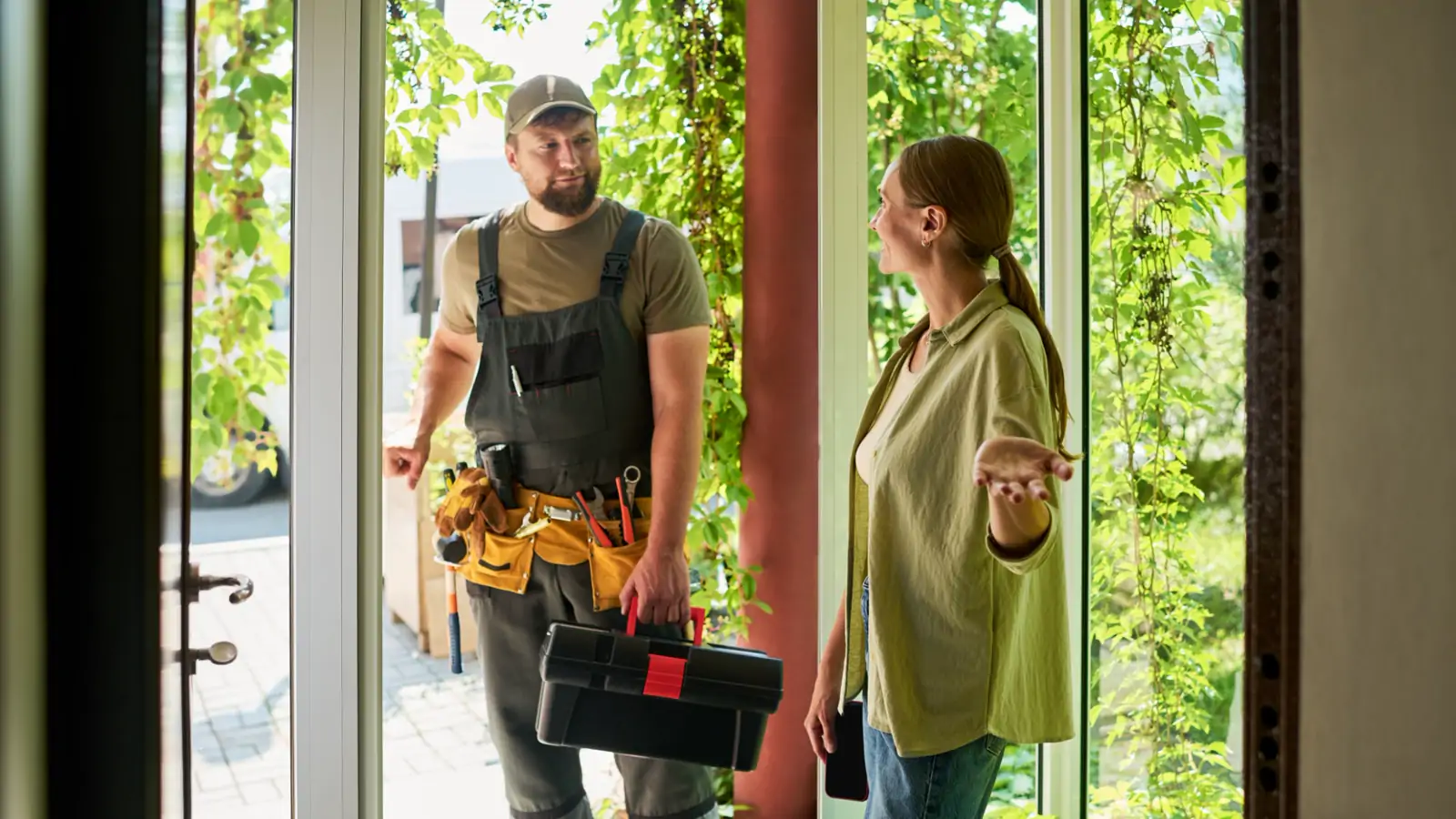
Write the Answers Down
By the third survey it’s surprisingly easy to muddle which installer promised what. Keep a simple note against each firm: the glass and frame they quoted, the guarantee length, whether it’s insurance‑backed, the deposit terms and your gut feel about them. When the written quotes arrive you can check each one against what was actually said on the day, and any gap between the promise and the paperwork becomes an easy question to raise before you commit.
Trust Your Impression of the Visit
Price aside, the survey tells you what this firm is like to deal with. Were they punctual, tidy and happy to explain things? Did they measure carefully or glance around and reach for a calculator? You’ll be living with their work for decades, so a good working relationship counts, and it’s another thing you can only judge by inviting more than one installer round.
Ask the same 12 questions of each installer and you’ll gather answers you can line up side by side, which is exactly what turns three visits into a fair comparison.
Compare a few vetted local installers and put these questions to each of them.
Get my free quotes →Common Questions
What should I ask a window fitter before hiring?
Ask how long they have traded, whether they are FENSA or CERTASS registered, exactly what glass and frames they are quoting, what the price includes, how long the guarantee is, how your deposit is protected, and when the work would happen.
How do I know if a window installer is FENSA registered?
Don’t rely on the answer alone. You can check a firm on the FENSA website by postcode or exact company name. FENSA’s own advice is that if a firm says it isn’t registered, you should say no.
How long should a window guarantee be?
As a yardstick, installers endorsed by Which? suggest about ten years on frames, five to ten on glass and at least two on handles and locks.
Does an insurance-backed guarantee cover my deposit?
No. An insurance-backed guarantee does not cover your deposit. Deposit protection is a separate policy, so ask to see the certificate.
Is there a cooling-off period on new windows?
Don’t assume so. Made-to-measure windows are usually exempt from the normal 14-day cooling-off period, so ask exactly what cancellation terms the contract gives you.
Sources
- Which?: getting the right double glazing quote
- Which?: your rights when buying double glazing
- Citizens Advice: before you get work done on your home
- FENSA: what to check before appointing an installer
- Local Authority Building Control: replacement windows and trickle vents
- GOV.UK: VAT on energy-saving products