Double Glazing Prices: 8 Things to Check in Your Quote
Published Last revised
Quick answer
Check eight things on every double glazing quote: the exact glass and frame specification, every window itemised, a full price breakdown, the lead time, the guarantee, FENSA or CERTASS registration, the deposit and payment terms, and trickle vents. If any are missing, ask for them in writing before you compare prices.
Double glazing prices are only comparable when you know exactly what each one includes, and a good window quote is a checklist in disguise. If a quotation shows every item below, you can compare it fairly against the next one and hold the installer to what they’ve written. If it’s missing things, you can’t do either, so ask for them before you decide. Here are the 8 things to check, a full window quote checklist to run over every quote you receive.

1 The Exact Glass and Frame Specification
This is the detail that actually sets the price. Look for the glass type and its U‑value (the lower the number, the better the insulation), the frame material and profile, the colour or finish, and any trims or cills. “uPVC double glazing” on its own tells you almost nothing. Two quotes can both say that and describe very different products.
Two figures let you compare the glass properly, so ask for both in writing:
- The energy rating. Windows are rated from A++ (best) to E (worst) under a scheme run by the British Fenestration Rating Council (BFRC).
- The U‑value. This measures how much heat passes through. Lower is better.
Which? points out that a window can have a high energy rating and still have a high U‑value, which is why you want both. You may also see “argon” (a gas sealed between the panes) and “low‑E” (a coating that reflects heat back into the room). Both are normal on modern glass.
Keep your expectations realistic on bills. Energy Saving Trust figures quoted by Which? put the saving from replacing single glazing with A++ double glazing at up to £175 a year for a detached house, and closer to £60 for a mid‑terrace. New windows bring comfort, quiet and security too, but they won’t pay for themselves quickly.
2 Every Window and Door, Itemised
Each unit should be listed with its size, opening style (fixed, casement, tilt‑and‑turn) and location in the house. That way two quotes are describing the same job, and you can see instantly if one has quietly dropped an opener or a whole window.
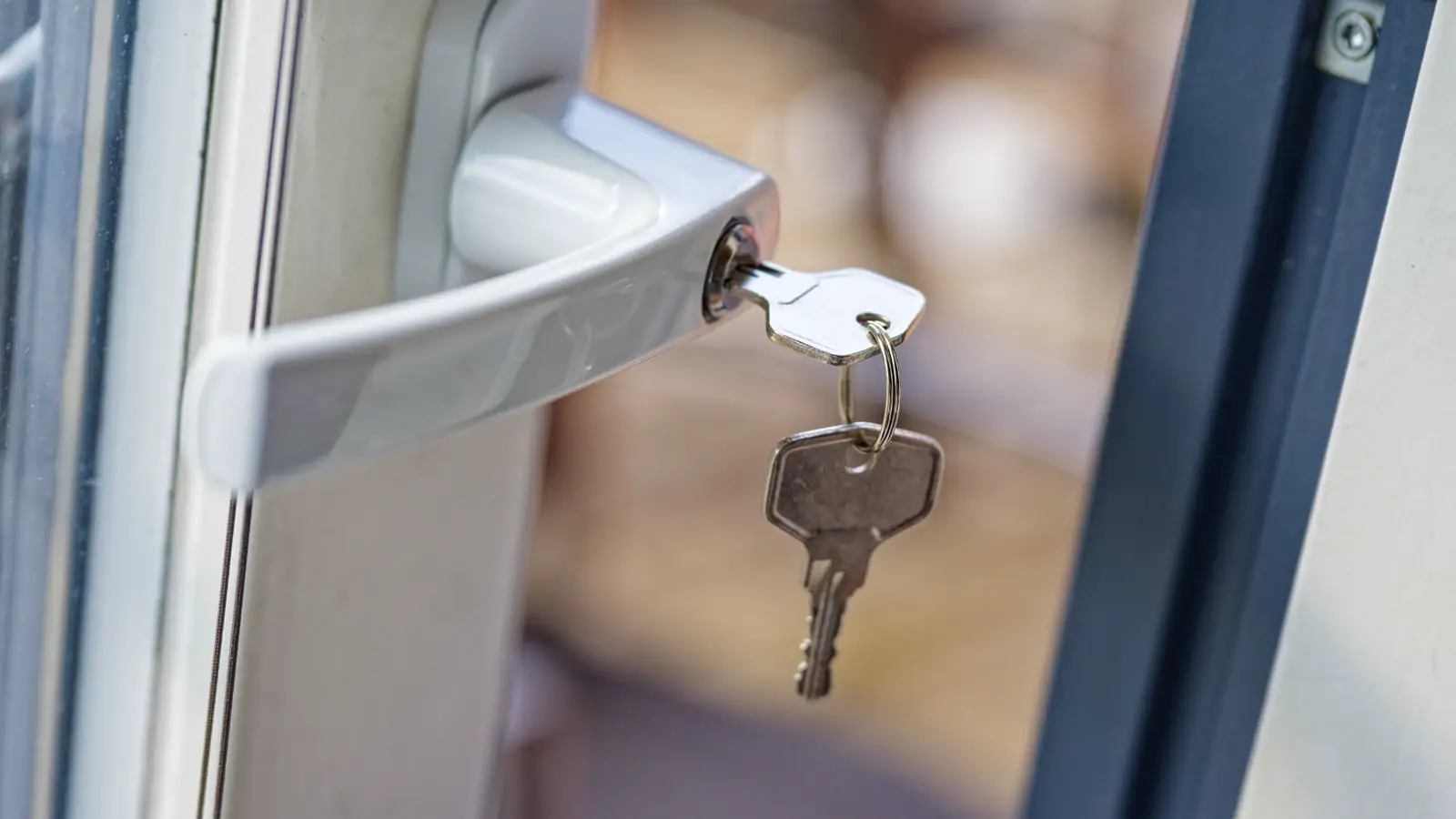
Check the locks are listed too. Which? describes key‑operated window locks as vital for home insurance, so make sure each opening window has them and that the quote says so.
3 A Full Price Breakdown
One round number hides a lot, and it’s the main reason double glazing prices look so different from firm to firm. A fair quote separates supply, fitting, VAT, scaffolding where needed, waste removal and “making good” (the plastering and decorating around the new frames). If any of these are excluded, that should be stated clearly so you can budget for it.
Citizens Advice says a proper quote is a fixed total price, not an estimate or a daily rate. It should say whether VAT is included, how long the price is valid, and when it could change.

Got a quote in front of you? Compare double glazing prices from a couple more installers, free and with no obligation.
Get my free quotes →4 Lead Time and How Long the Job Takes
Check when the survey and installation would happen and how many days fitters will be on site. A realistic timeline is a good sign; a firm that can “start Monday” on every job may be less established than it sounds.
FENSA recommends a written contract with an agreed completion date, and lists installers who won’t commit to firm time frames among its warning signs. Ask for the dates in writing, not just a rough month.
5 The Guarantee, and Who Stands Behind It
Note the length of cover, exactly what it includes, and crucially whether it is an insurance‑backed guarantee. That kind of guarantee is underwritten by a third party, so it still stands if the installer ceases trading. That’s important protection on a purchase you expect to last decades.
As a yardstick, installers endorsed by Which? suggest around ten years on frames, five to ten on the glass and at least two on handles and locks, all backed by a ten‑year insurance‑backed guarantee. FENSA says that guarantee has been required on FENSA‑registered installations since 2014. See what a good guarantee covers.

6 Certification and Registration
Replacement windows must comply with building regulations. Look for FENSA or CERTASS registration, which lets the installer self‑certify the work and notify building control on your behalf. You should receive a certificate afterwards; keep it for when you sell.
You can check this yourself in a couple of minutes. FENSA’s website lets you search by postcode or by exact company name, and its advice is to check even if the installer tells you they are registered. If a firm isn’t on a scheme like this, Local Authority Building Control says a building regulations application has to be made before the work starts, which is extra cost and hassle for you.
7 Deposit, Payment Schedule and Cancellation
Check any deposit amount, how it’s protected, the payment schedule, and your right to cancel. Made‑to‑measure windows are usually exempt from the normal 14‑day cooling‑off period, so check what cancellation terms the contract gives you before you sign.
On deposits, Citizens Advice says not to agree to more than 25%, and to pay by card, not cash. If any part of the cost goes on a credit card, the card provider shares responsibility for the whole job when the total is between £100 and £30,000.

8 Ventilation: Are Trickle Vents Included?
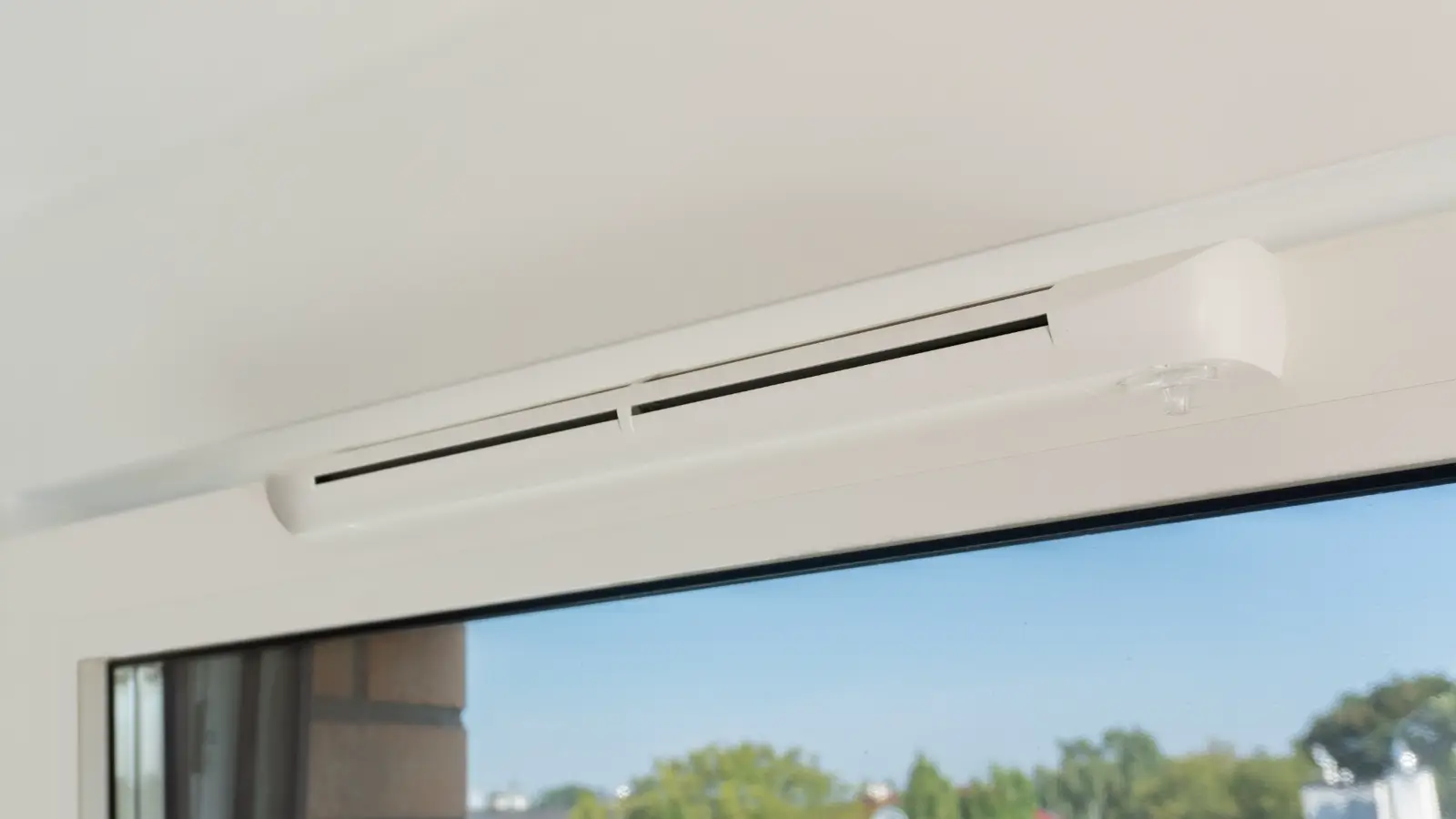
This one surprises a lot of people. Since 15 June 2022, building regulations in England have expected most replacement windows to come with trickle vents, the small slots at the top of the frame that let in a little fresh air. New windows seal a room far more tightly than old ones, so the rules are there to stop damp and condensation building up.
What that means for your quote:
- If your old windows had vents, the new ones need vents at least as big.
- If your old windows had none, the installer still has to show the room’s ventilation is no worse than before, which usually means fitting vents.
- You can’t opt out. Building Control guidance is clear that signing a disclaimer saying you don’t want vents does not make the work compliant.
- Listed buildings and conservation areas may be treated differently, so raise it early.
So check every quote includes them. A quote that leaves vents out can look cheaper, but the work may not meet building regulations.
Run these 8 checks over each quote and gaps become obvious. Anything missing is simply a question to ask before you commit, and comparing several quotes on the same specification is the only way to judge which of the double glazing prices you’ve been given offers genuine value.
Compare like-for-like with a few vetted local installers and put the checklist to work.
Get my free quotes →Common Questions
What should a double glazing quote include?
The glass and frame specification, every window listed with its size and opening style, a price breakdown showing VAT and extras, the lead time, the guarantee, FENSA or CERTASS registration, deposit and payment terms, and trickle vents.
Do new windows need trickle vents?
Since 15 June 2022, building regulations in England have expected most replacement windows to come with trickle vents. Building Control guidance is clear that signing a disclaimer saying you don’t want them does not make the work compliant.
How are windows rated for energy efficiency?
Windows are rated from A++ (best) to E (worst) under a scheme run by the British Fenestration Rating Council. Ask for the U-value too, where lower is better, because Which? points out a window can score well on one and poorly on the other.
How much deposit should I pay for new windows?
Citizens Advice says not to agree to more than 25%, and to pay by card, not cash.
Will I get a certificate for my new windows?
Yes, if the installer is FENSA or CERTASS registered. You should receive a certificate afterwards, and you should keep it for when you sell.