Understanding your window quote
Window quotes are full of shorthand — U‑values, profiles, trickle vents, making good — and it’s easy to nod along without really knowing what you’re paying for. This guide translates the jargon so you can read a quote in plain English and judge whether two quotes really describe the same job.
The glass line
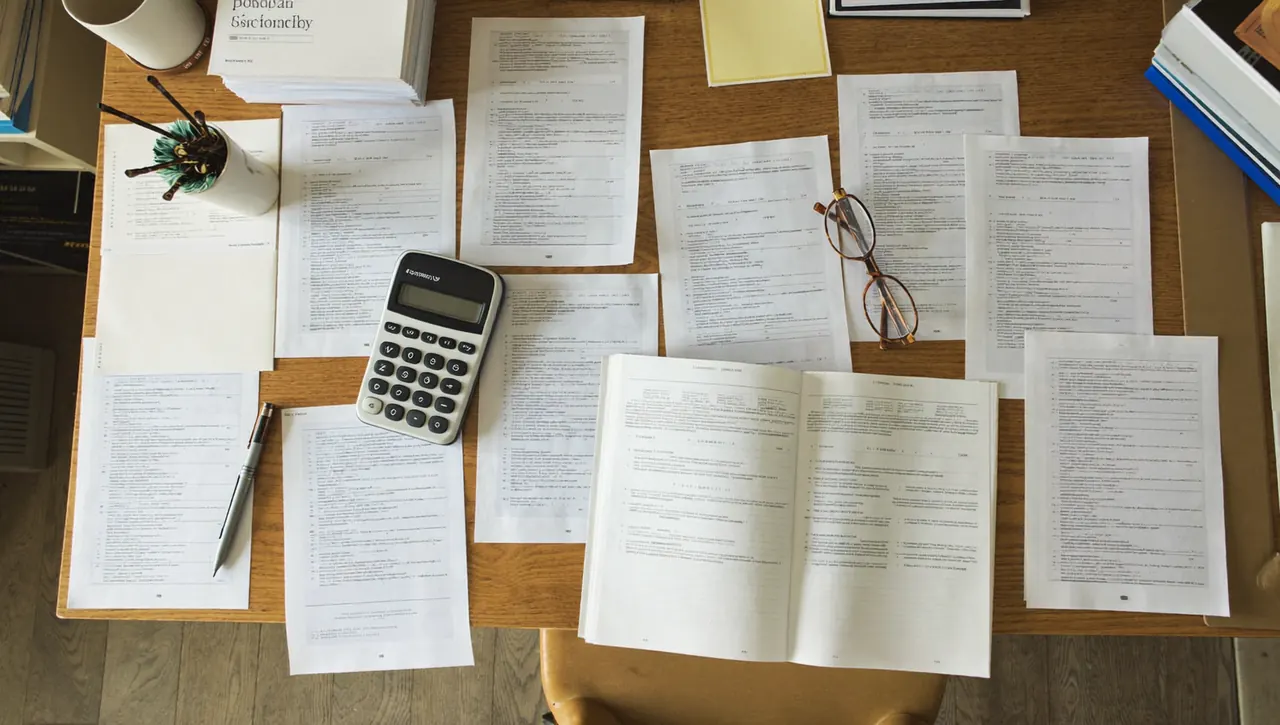
Most quotes specify double or triple glazing, a U‑value (how much heat escapes — lower is better), and sometimes an energy rating band. You may also see argon gas fill, a warm‑edge spacer bar, or low‑emissivity (“low‑E”) coating. These are the details that separate a budget unit from an efficient one, so check they match across quotes.
The frame line
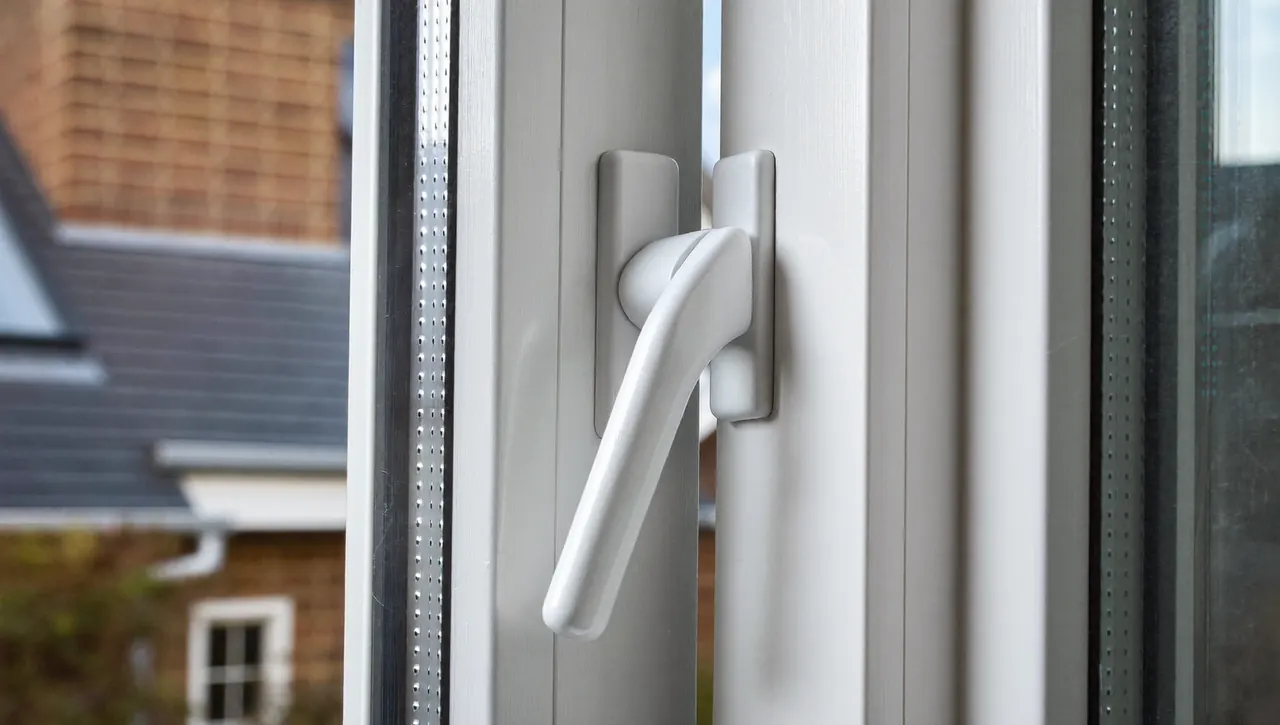
Look for the material (uPVC, timber or aluminium), the profile (the frame’s cross‑section and chamber design), the colour or foil finish, and the number of chambers — more chambers generally means better insulation. “uPVC” alone doesn’t tell you much; the profile name does.
Openers, hardware and vents
Each window is either fixed or opening, and openers cost more than fixed panes. Quotes should state the opening style, the locking hardware, and whether trickle vents are included — small background vents now required on many replacements for ventilation.
Not sure a quote adds up? Compare it against a couple more, free and with no obligation.
Compare my quotes →Labour, extras and “making good”
Beyond supply, a quote should cover fitting, the removal and disposal of your old windows, scaffolding if needed, and making good — the plastering and decorating around the new frames. This last one is often where a cheap‑looking quote hides its saving, so check whether it’s included or excluded.
VAT, guarantee and certification
Confirm whether prices include VAT, how long the guarantee runs and whether it’s insurance‑backed, and whether the work is FENSA‑ or CERTASS‑registered. These aren’t optional extras — they’re part of what makes one quote genuinely comparable to another.
Sense‑check the total
Once you understand the lines, the total should make sense rather than feel like a mystery. It helps to estimate a fair cost before you compare, so you walk into each quote with a rough expectation. If a figure sits far outside that range, the specification usually explains why — and now you can read it.
Watch for what’s left off
Two quotes can look miles apart simply because one is more complete than the other. A tidy‑looking low figure that excludes making good, waste removal or scaffolding isn’t really cheaper — those costs just land on you later. When you read a quote, note the exclusions as carefully as the inclusions, and add the missing items back in your head before you compare totals. That single habit stops you being drawn to a number that was never the full picture.
Understanding the quote is what turns three numbers into a real comparison. When you can see exactly what each price buys, choosing the best value becomes straightforward.
Compare vetted local installers on a spec you actually understand — start in about a minute.
Compare my quotes →