Best Double Glazed Windows: 8 Things That Matter
Published Last revised
Quick answer
There is no single best double glazed window. The best one for your home has a good energy rating and a low U-value, low-E glass with argon gas, a frame material that suits the house and your budget, key-operated locks, and is fitted by a FENSA or CERTASS registered installer. Which? says white uPVC with standard A-rated double glazing is usually the most economical choice.
The best double glazed windows aren’t a brand or a model. They are the ones that keep the heat in, suit your house, lock properly and are fitted well. Two windows can look identical in a brochure and perform very differently, so it helps to know what to look for. Here are the 8 things that matter, and what to check on each.
1 The Energy Rating
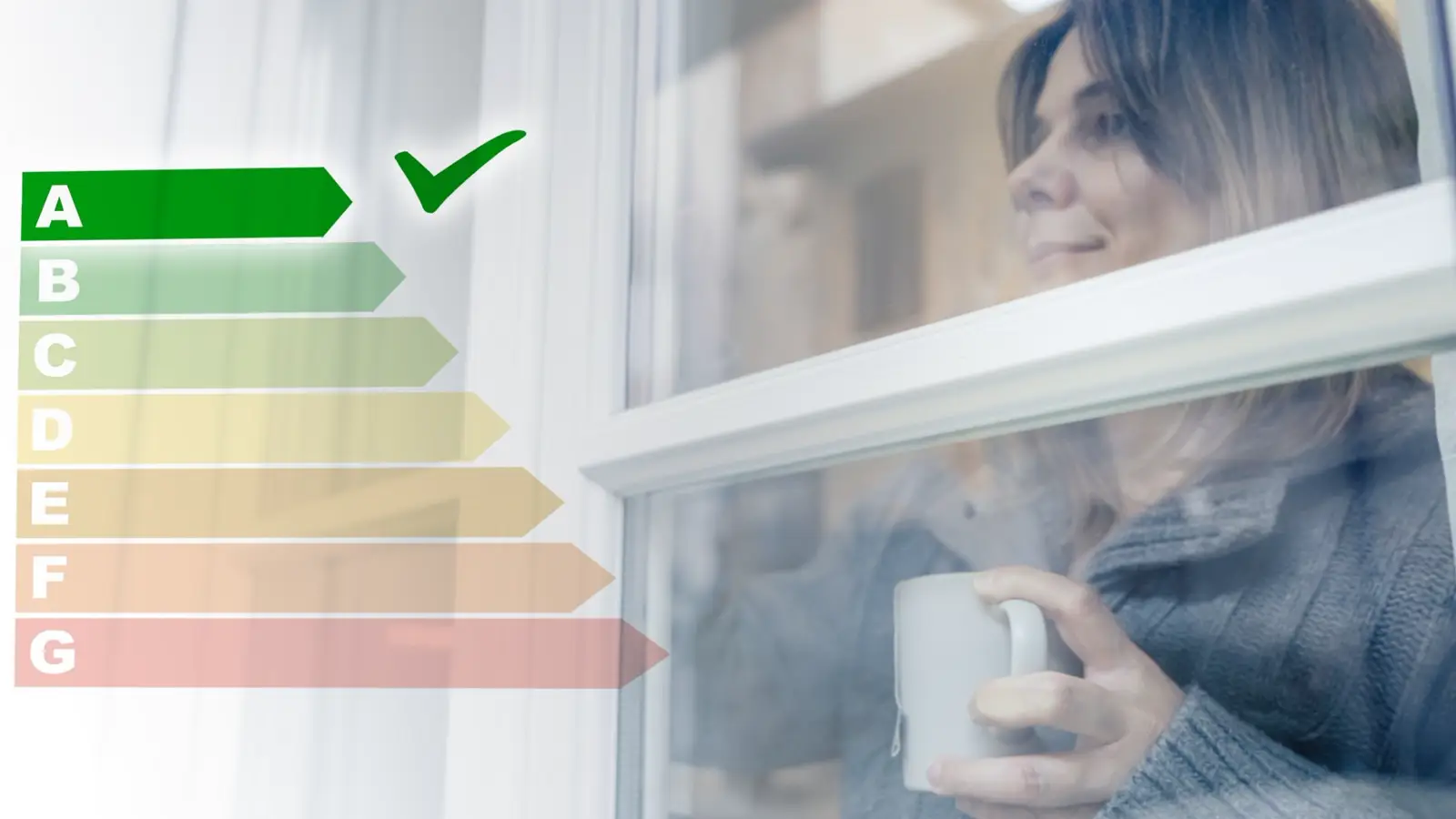
Start here, because it is the easiest thing to compare. The British Fenestration Rating Council (BFRC) rates windows from A++ (best) to E (worst). The rating looks at the whole window and weighs up three things: how much heat is lost, how much warmth it gains from the sun, and how much air leaks through.
How to use it:
- Look for the label. BFRC says rated windows carry a rainbow label, with a small official sticker on the inside of the frame.
- Check who is using it. Only BFRC-registered companies may use the labels, and you can look a firm up on the BFRC website.
- Don’t overpay for letters. Which? says white uPVC with standard A-rated double glazing is usually the most economical option.
2 The U-Value
The U‑value measures heat loss. The lower the number, the better the window holds heat in. The Glass and Glazing Federation says that when a window is given an energy rating, a U‑value is worked out for the whole window too.
Ask for both figures. Which? points out that a window can have a good energy rating and still have a high U‑value, because the rating also counts warmth gained from the sun. Two numbers side by side make it much harder for a quote to hide a weaker window. Our guide to understanding your window quote explains where to find them.
3 The Glass
The glass does most of the work, and the differences are invisible once it is fitted. Which? says the most efficient double glazing has two things: low‑E glass and argon gas.
- Low‑E glass. One pane has a coating that lets light in and reflects heat back into the room.
- Gas between the panes. The Glass and Glazing Federation says argon, krypton or xenon gas cuts both heat loss and sound.
- Laminated glass. It adds security, and is worth asking about for ground-floor windows.
On noise, be a little careful. The Glass and Glazing Federation says sealed double and triple glazing can be effective against medium to high-frequency noise. The big decibel figures you see in adverts are the manufacturers’ own claims, as Which? notes, so ask to see what they are based on.
4 The Frame Material
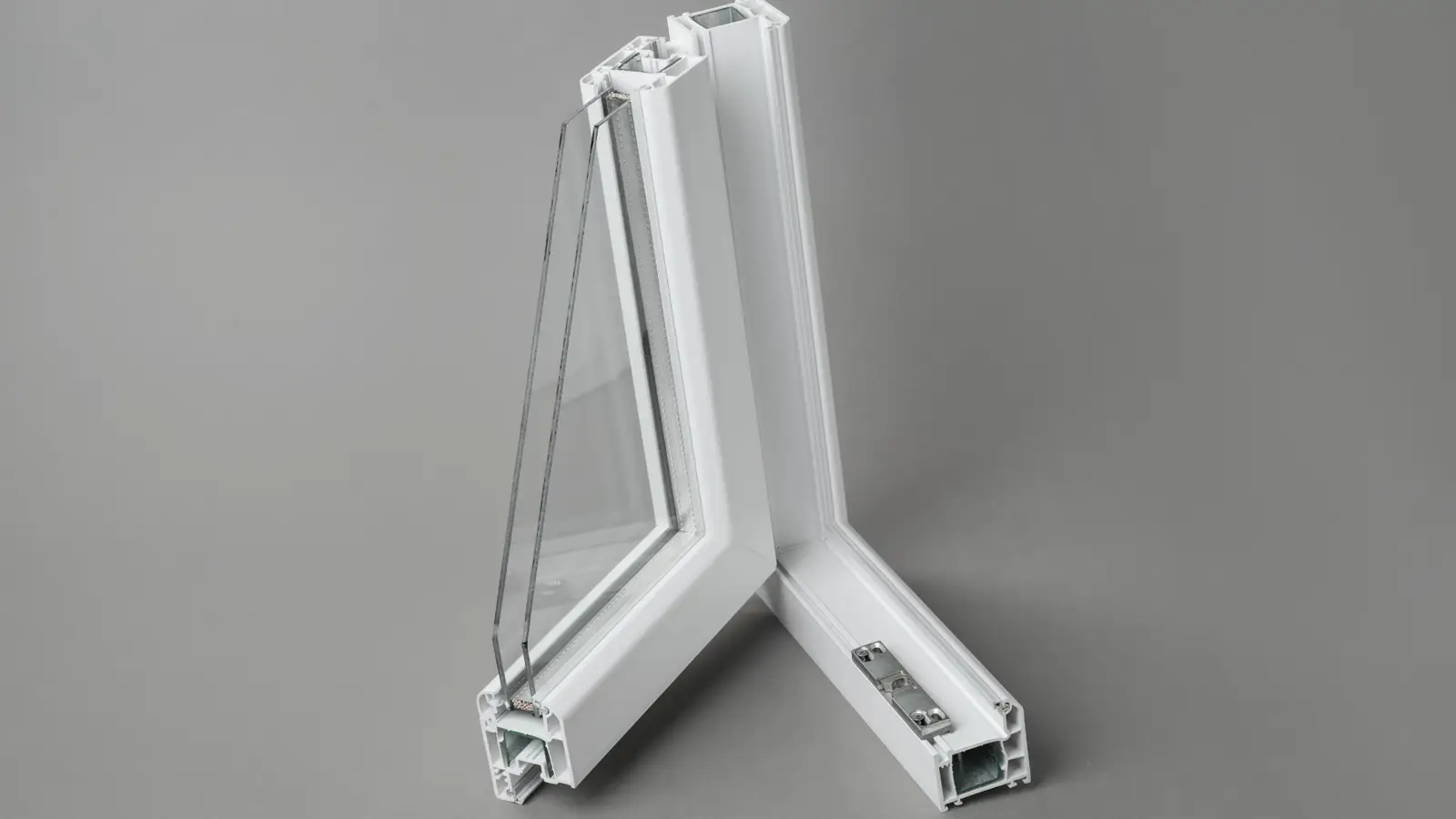
The frame sets the look, the upkeep and much of the price. There are four main choices:
- uPVC. The most common. Which? says it can be up to three times cheaper than timber, and it wipes clean. The Glass and Glazing Federation says it usually lasts 20 years or more.
- Timber. Costs more and needs maintenance, but Which? says it can last a very long time if properly looked after. Often the choice for period homes and conservation areas.
- Aluminium. Strong, durable and low maintenance. The frames are slimmer and lighter, which gives a more modern look.
- Composite. Wood combined with aluminium or plastic.
None is best for everyone. The best frame is the one that suits your house and how much upkeep you are happy to do. Our window replacement cost guide shows how the prices compare.
5 The Window Style
Style changes how a window opens, how easy it is to clean and what it costs. Which? describes the four you are most likely to be offered:
- Casement windows. Hinged at the side or top. The most common style.
- Sash windows. Slide up and down. Suited to period homes, and modern ones use the same double glazing.
- Tilt and turn windows. Can be locked partly open for secure ventilation, or opened fully for cleaning.
- Bay windows. Three or more windows that project out from the wall.
6 Double or Triple Glazing
Triple glazing has a third pane of glass, so it should be warmer and quieter. That doesn’t make it the best choice. Which? asked nine installers whether triple glazing was worth it, and the unanimous answer was no. Their reasons were the cost, the risk of damage, and the higher price of replacing a failed unit.
There are exceptions. One installer told Which? it may be worth it on a very busy road or in a very cold, windy area. For most homes, good double glazing is enough.
If you live in a listed building and can’t change the windows, secondary glazing is the usual answer. It is a second layer of glass fitted inside the existing window. Which? says it is less effective than new double glazing, but cheaper.
7 Locks and Security
Double glazing is harder to break than single glazing, but the locks matter more than the glass. Which? says the most important step is key-operated locks, which home insurers usually require on ground-floor and other easy-to-reach windows.
- uPVC windows. Look for multi-point locking of the standard insurers expect.
- Sash windows. Sash stops are the best option. Which? says bars, clasps and fasteners are not considered locks.
- Police-backed products. Secured by Design is the official police security initiative. Products that pass its checks carry a Police Preferred Specification.
8 The Fitting
This is the one that brochures leave out. The installers Which? interviewed were clear that how well a window works depends on it being fitted correctly, and that a poorly fitted window performs badly. The best double glazed windows on paper can still let you down if the fitting is poor.
So judge the installer as carefully as the window. Check they are FENSA or CERTASS registered, and that trickle vents are included where the rules require them. Then get a few quotes for the same windows, so you are comparing fitters as well as frames. Our questions to ask window installers will help.
So the best double glazed windows are the ones that score well on all eight: a good rating, a low U‑value, the right glass, a frame and style that suit your home, proper locks and careful fitting. Once you know what you want, the fair way to choose is to compare a few quotes for exactly that.
Know what you’re looking for? Compare free, no‑obligation quotes from vetted local installers.
Get my free quotes →Common Questions
What are the best double glazed windows?
There is no single best window. Look for a good energy rating and a low U-value, low-E glass with argon gas, a frame that suits your home, and key-operated locks. Fitting matters just as much: the installers Which? spoke to said a poorly fitted window performs badly.
What energy rating should double glazed windows have?
Windows are rated from A++ (best) to E (worst) by the British Fenestration Rating Council. Which? says white uPVC with standard A-rated double glazing is usually the most economical option, so A-rated is a sensible starting point.
How long do double glazed windows last?
The Glass and Glazing Federation says uPVC windows usually last 20 years or more. Which? says timber frames can last a very long time if properly looked after.
Is triple glazing better than double glazing?
Triple glazing has a third pane, so it should be warmer and quieter. But when Which? asked nine installers whether it was worth it, the unanimous answer was no, mainly because of the cost. It may suit a very busy road or a very cold, windy spot.
Which window frames are best?
uPVC is the most common and the cheapest, and it needs little upkeep. Timber costs more and needs maintenance, but suits period homes. Aluminium is strong, slim and low maintenance, with a modern look.