New Window Installation: 8 Things to Expect
Published Last revised
Quick answer
New window installation starts with a survey, where every opening is measured so the frames can be made to fit. On fitting day, the HomeOwners Alliance says a straightforward window takes around an hour, and to expect at least three or four windows a day. Clear space around each window beforehand, check the work before you pay the balance, and make sure your FENSA or CERTASS certificate arrives afterwards.
New window installation is less of an upheaval than most people expect, but it helps to know what happens and in what order. There is a survey, a wait while the frames are made, a day or more of fitting, and some paperwork at the end. Each stage has something worth checking. Here are the 8 things to expect, from the first visit to the certificate.
1 A Survey Before Anything Is Made
Replacement windows are made to measure, so nothing is ordered until a surveyor has been round. This visit sets up the whole job, and it is your last easy chance to change your mind about the details.
Which? sets out what a proper survey should cover:
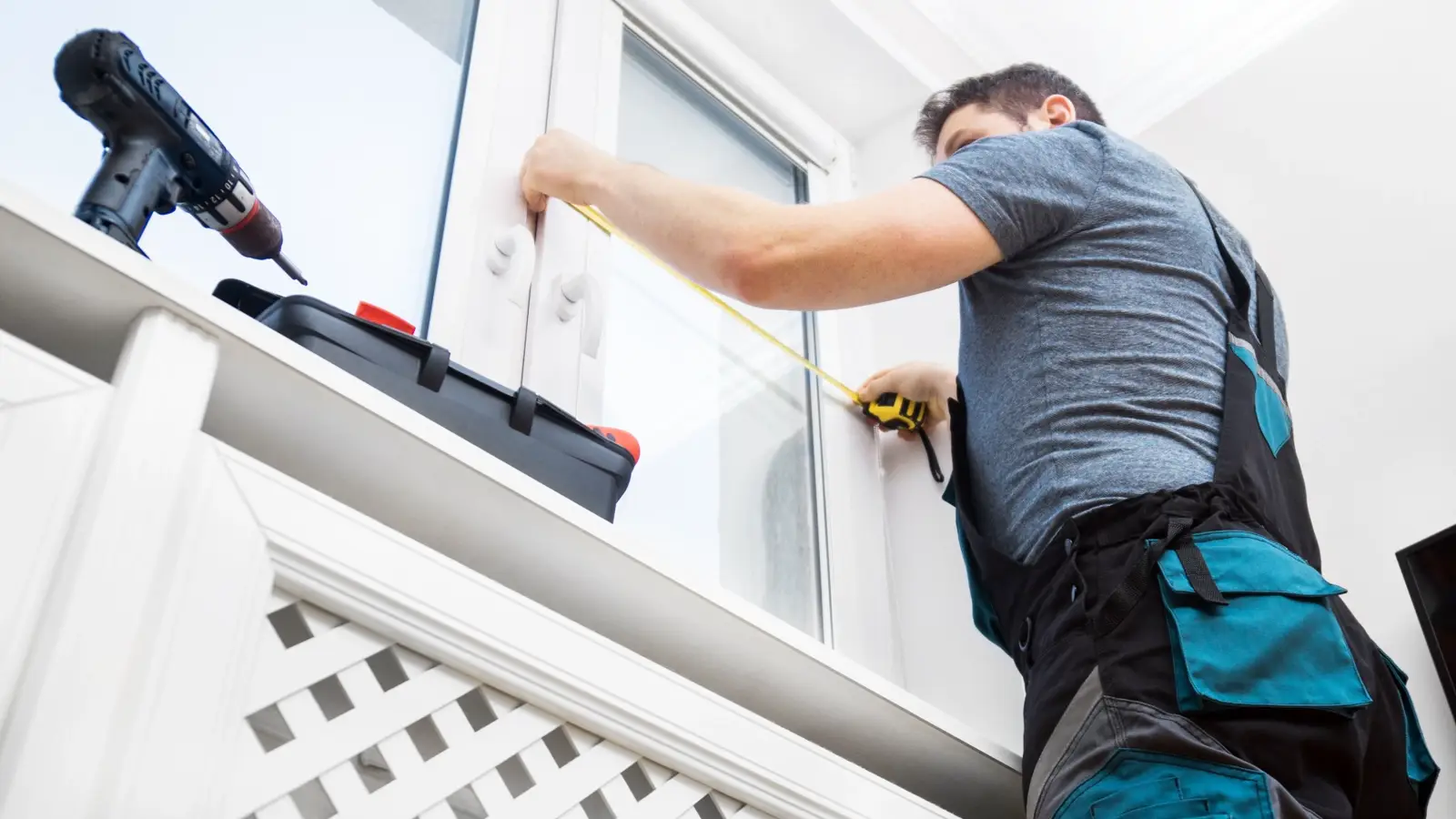
- Every opening measured in several places. Homes are rarely square, and the frames are made to those measurements.
- The wall around each window checked. The brickwork, lintels and plaster, so there are no surprises on fitting day.
- The specification confirmed. Frame colour, opening styles, glass and handles, all agreed before anything is made.
- Practical points noted. Tight access, alarm sensors, and blinds or shutters that will need to come down.
You should also get time to ask questions before the order goes into production. Our questions to ask window installers are a good list to have with you.
2 A Deposit and Dates in Writing
Once you accept a quote, the firm orders your windows and books its fitters. The HomeOwners Alliance says you will most likely be asked for a deposit of 10% or 20% at this point. Citizens Advice says not to agree to more than 25%, to get a receipt, and to pay by card, not cash.
How long you then wait varies from firm to firm, which is why the HomeOwners Alliance suggests comparing lead times as well as prices when you collect quotes. Whatever the wait, get the dates on paper. FENSA recommends a written contract with an agreed completion date, and Which? suggests asking two questions before you sign: what happens if the work runs late, and whether a long spell of bad weather would delay it.
Our guide to deposits, contracts and guarantees covers how to protect the money you pay up front.
3 Check Whether You Need Permission
Most new window installations in England need no planning permission. The Planning Portal says it isn’t normally required when the new windows look similar to those in the original house. There are exceptions, and they are worth checking before anything is ordered:
- Listed buildings. You need listed building consent for significant work, inside or out.
- Conservation areas. There may be extra restrictions, so check with your council first.
- A new bay window. This is treated as an extension and may need permission.
- Leasehold homes. You may need permission from your landlord or management company.
Building regulations are a separate matter, and they always apply. The Planning Portal says they have covered all replacement glazing since April 2002. A FENSA or CERTASS registered installer can sign the work off themselves. With an unregistered installer, you need approval from building control.

4 Getting Your Home Ready
A little preparation the evening before makes the day quicker and protects your things. The HomeOwners Alliance suggests:
- Make room. Clear space in hallways and around each window opening.
- Remove or cover anything in the rooms being worked on.
- Protect carpets. Plastic wrap is worth considering.
Blinds, shutters and alarm sensors on the old windows will need to come off too. Which? says the surveyor should have flagged these, so agree at the survey who is taking them down and who is putting them back.
5 What Happens on Fitting Day
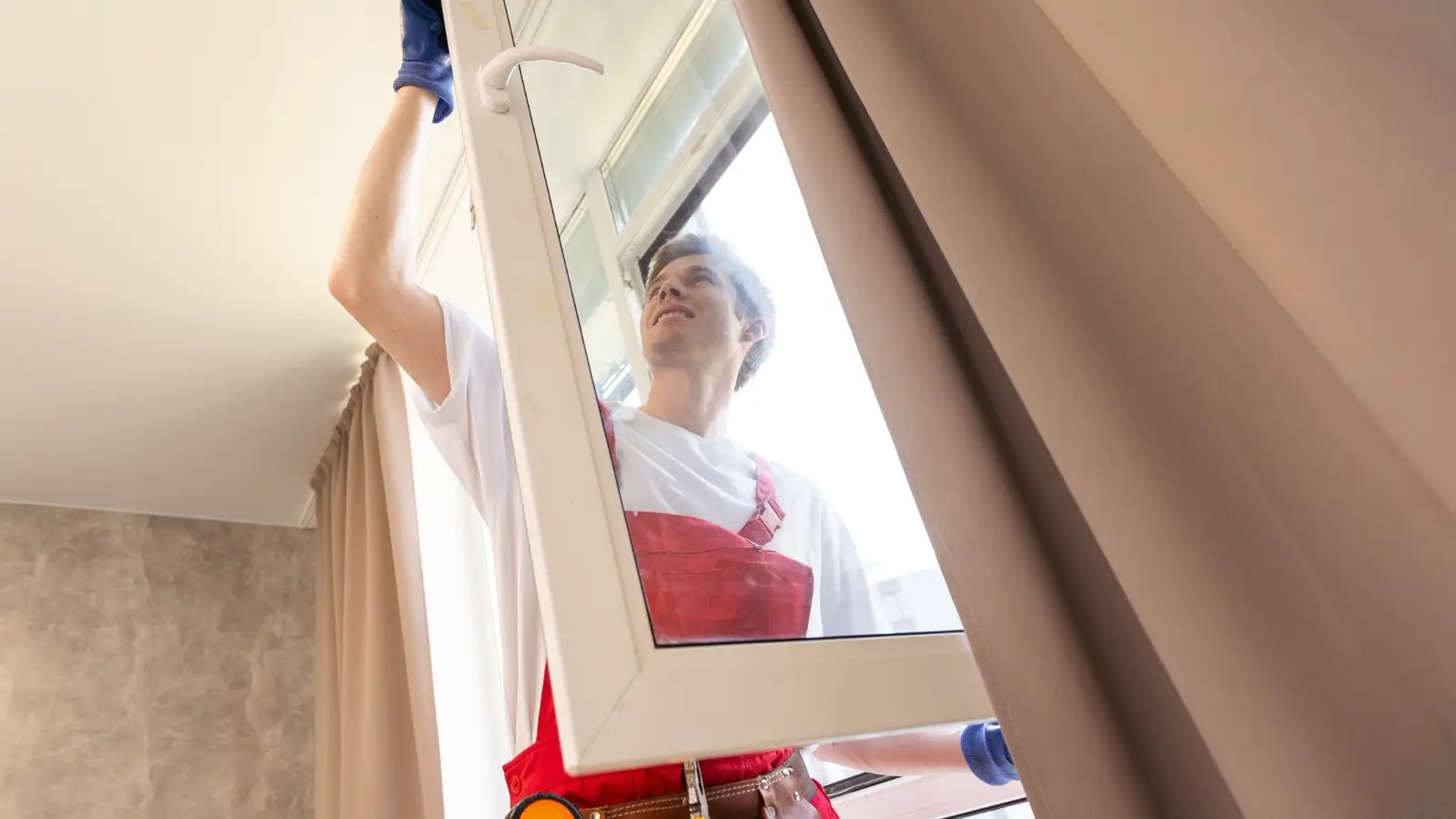
The fitters take out each old window and fit the new one in its place. The HomeOwners Alliance says approved installers do as much as they can from outside, but some work inside is essential to fit the window correctly and meet building regulations. So expect people in every room that is getting a new window.
Expect some mess as well. The HomeOwners Alliance is frank that replacing windows can be very messy, with dust and debris from removing the old frames. A good firm will:
- Put down dust sheets and cloths to protect the floors.
- Clear up at the end of each day.
- Take away all the debris and leave your home as they found it.
Ask what the firm does about mess before you book. Citizens Advice says the contract should cover how and when rubbish is removed and the site tidied.
6 How Long the Fitting Takes
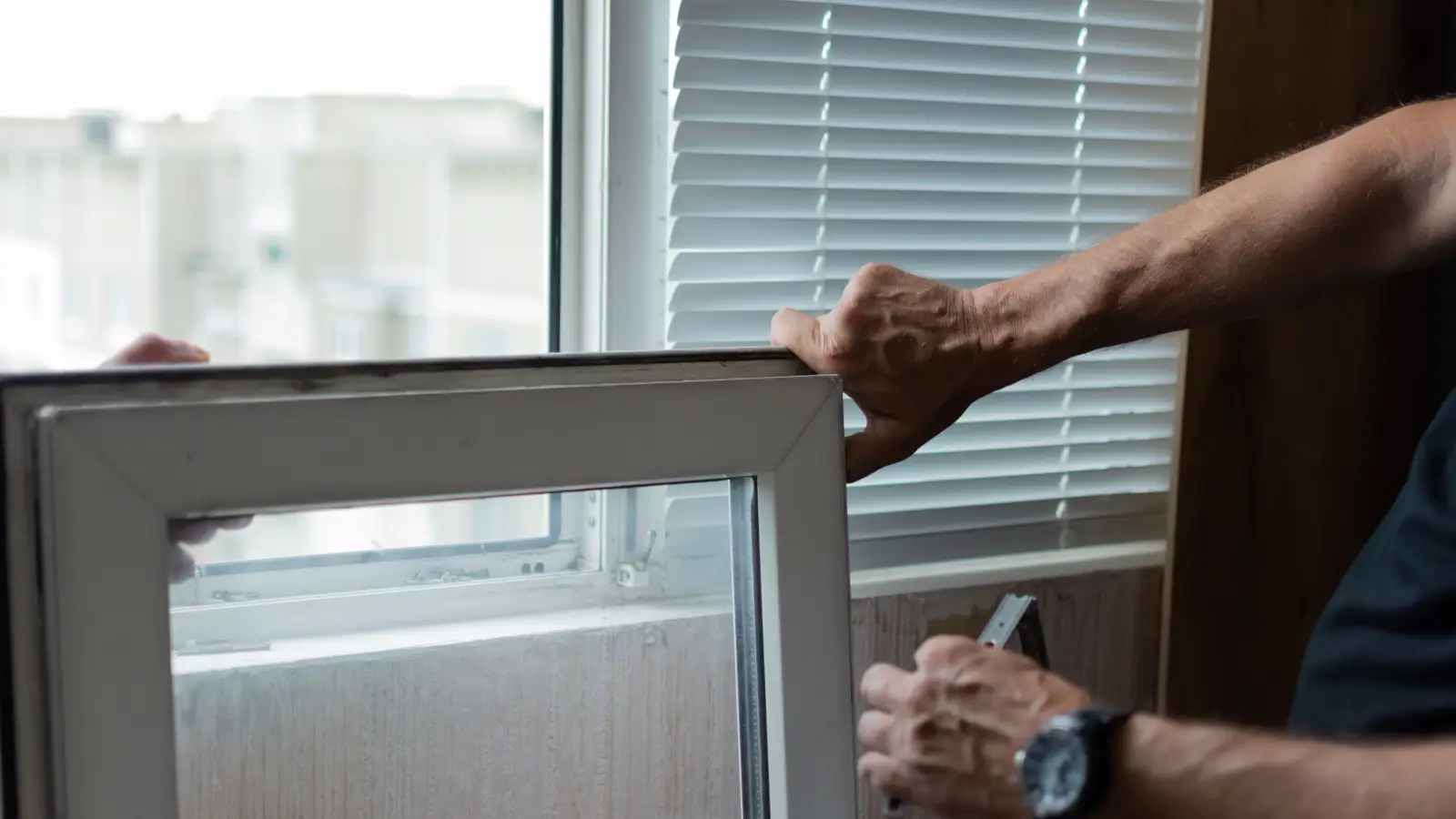
Less time than you might think. The HomeOwners Alliance says a straightforward window installation should take around an hour, and that you can expect a minimum of three or four windows to be replaced per day.
The total depends on the number and type of windows, the size of your house and how many fitters are on site. Wooden windows that need priming and painting take longer. FENSA’s advice is simply to ask: when is the job expected to be finished, and what could delay it?
7 Checks Before You Pay the Balance
Don’t hand over the final payment the moment the van is packed. Which? says the final payment shouldn’t be due until the work is complete and you are satisfied with it. Look over each window with the fitters while they are still there, and raise anything you are not happy with.
Small things are normal. A trader quoted by Which? says it is normal for products to need adjusting, so ask how aftercare works and who to call. The installers Which? spoke to also said a reputable firm will let you hold back part of the balance until small faults are fixed. If the firm agrees to fix something later, Citizens Advice says to get that in writing.

8 The Paperwork That Follows
The job isn’t finished until the paperwork arrives. You should receive:
- A FENSA or CERTASS certificate. It shows the work met building regulations and was registered with your council. You will need it when you sell.
- The guarantee documents, including the insurance-backed guarantee.
FENSA says you receive the certificate when the work is completed, and asks its installers to register each job within 21 days of finishing. If nothing turns up, chase it. A replacement costs £30 from FENSA.
One last job: Which? says to tell your home insurer about new windows and doors if they change your home’s structure, security or value.
That is new window installation from start to finish: a careful survey, dates in writing, a tidy fitting day and the right paperwork at the end. The firm you choose shapes every one of those steps, which is why it pays to compare a few installers properly before you commit.
Planning new windows? Compare free, no‑obligation quotes from vetted local installers.
Get my free quotes →Common Questions
How long does new window installation take?
The HomeOwners Alliance says a straightforward window installation should take around an hour, and to expect a minimum of three or four windows to be replaced per day. It depends on the size and type of the windows and how many fitters are on site.
Do I need planning permission to replace my windows?
Usually not. The Planning Portal says planning permission is not normally needed for new windows that look similar to those in the original house. Listed buildings need listed building consent, and conservation areas may have extra rules, so check with your council first.
Is new window installation messy?
It can be. The HomeOwners Alliance says to expect dust and debris from taking out the old windows. Fitters should use dust sheets, clear up at the end of each day, remove all debris and leave your home as they found it.
How much deposit will I pay for new windows?
The HomeOwners Alliance says you will most likely be asked for a deposit of 10% or 20% to order the windows and book the fitters. Citizens Advice says not to agree to more than 25%, and to get a receipt.
When will I get my FENSA certificate?
FENSA says you receive the certificate when the work is completed. Its installers are asked to register each job within 21 days of finishing, which is what lets the certificate be issued. Chase it if it doesn’t turn up.
Sources
- HomeOwners Alliance: replacing windows, what to expect
- Which?: how to buy double glazing
- FENSA: why choose a FENSA installer
- FENSA: registering work within 21 days
- Planning Portal: planning permission for doors and windows
- Planning Portal: building regulations for doors and windows
- Citizens Advice: before you get work done on your home